Field note 03 — Los Angeles, California
Before the Doors Open: What The Broad Taught Me About Designing an Experience
4 min read
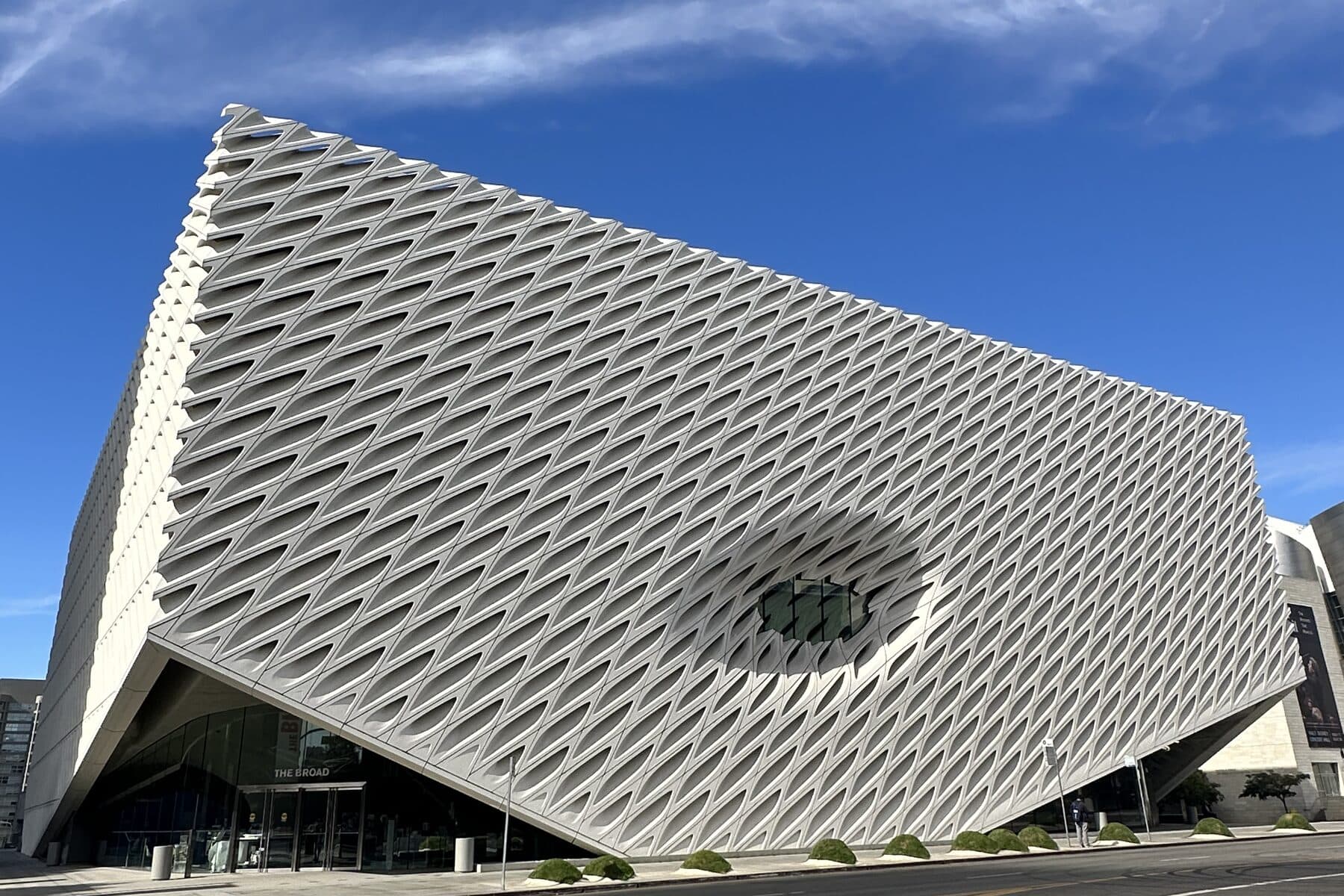
The first museum I visited in the United States taught me that an experience begins long before the doors open.
The first museum I visited in the United States was The Broad in Los Angeles.
I expected to see contemporary art. What I did not expect was to think so much about events, exhibitions, and the invisible work that makes an experience memorable.
The Broad does not reveal everything at once. Its architecture creates a sequence: arrival, curiosity, movement, anticipation, discovery. The building itself becomes part of the story before the visitor reaches the gallery.
That stayed with me.
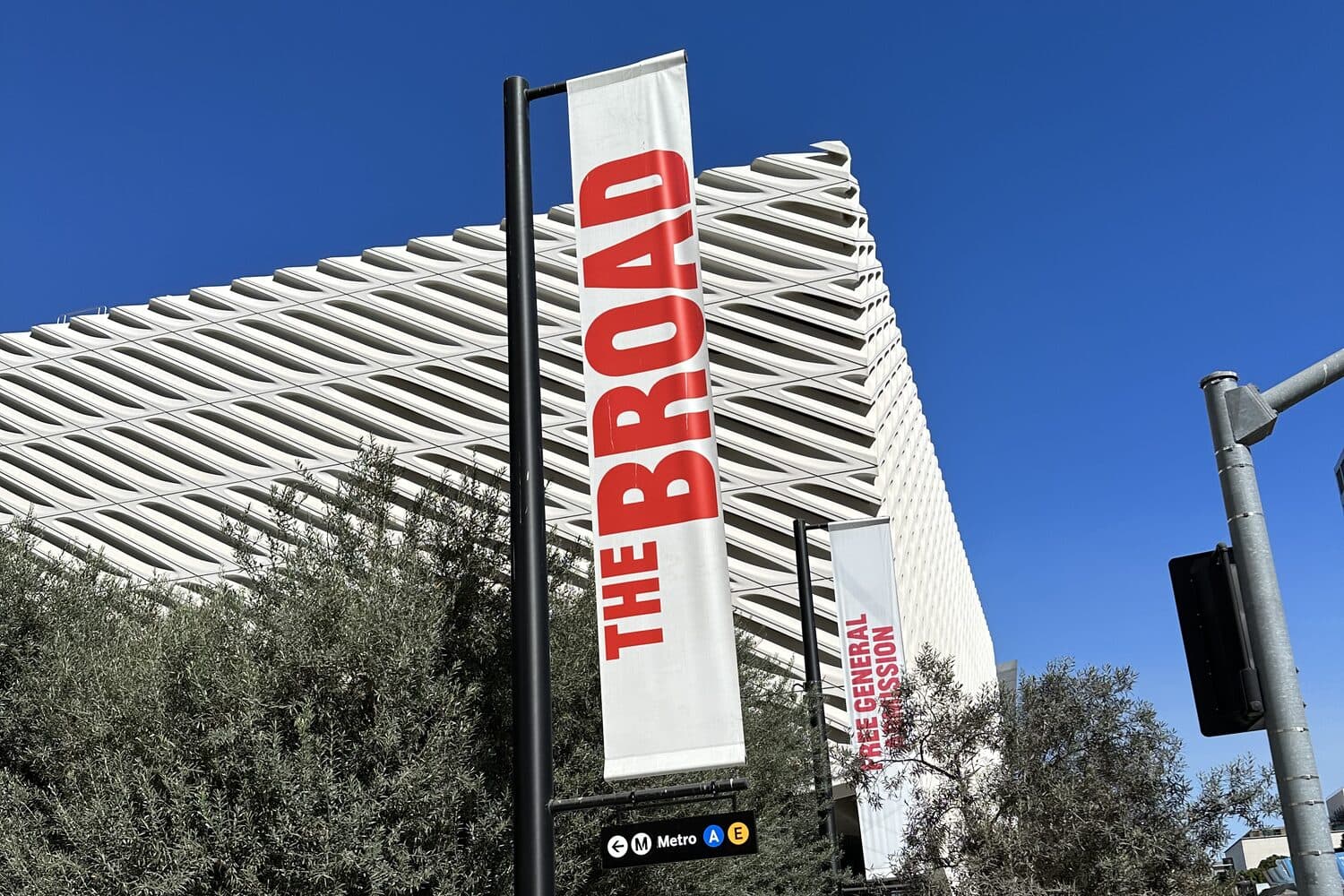
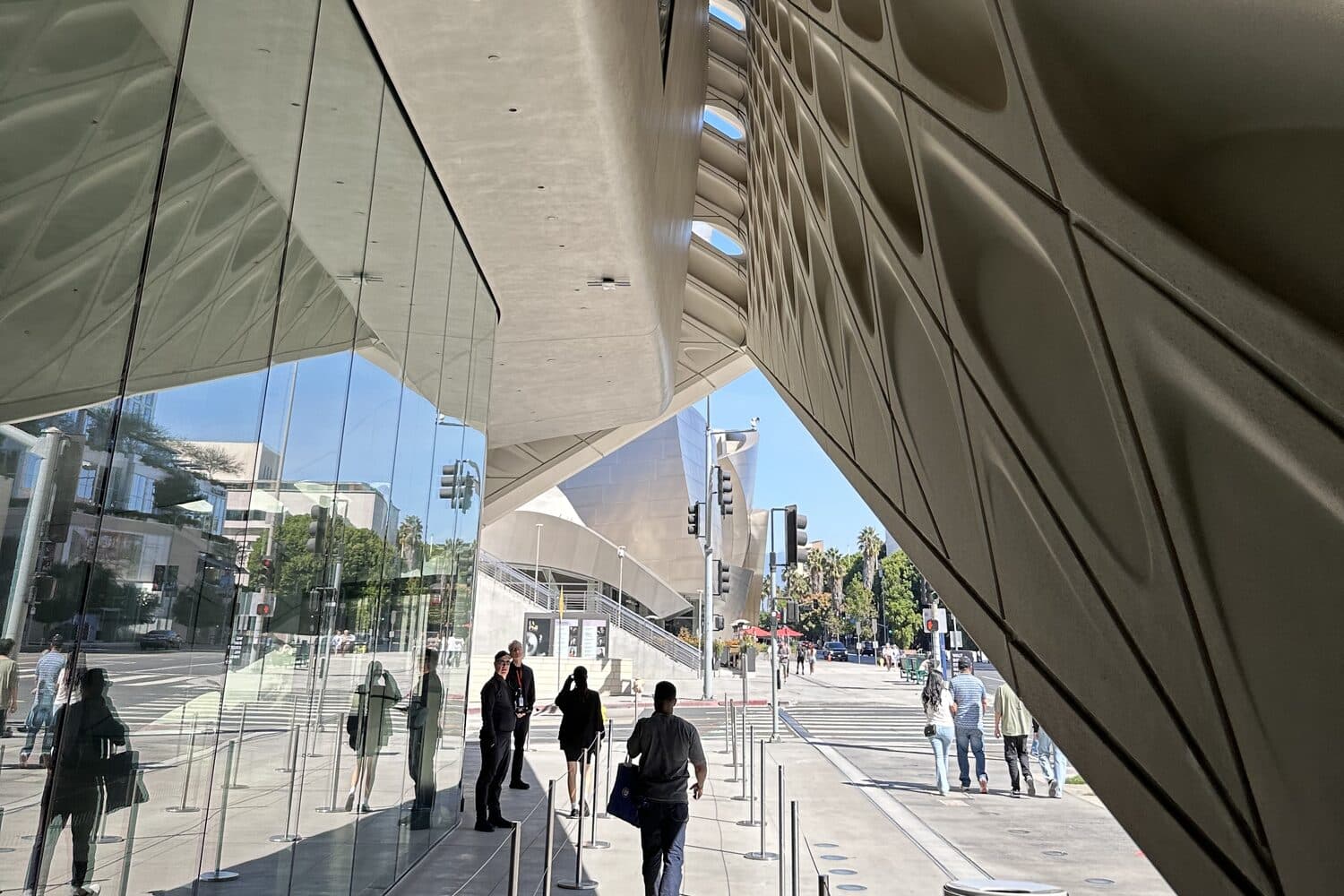
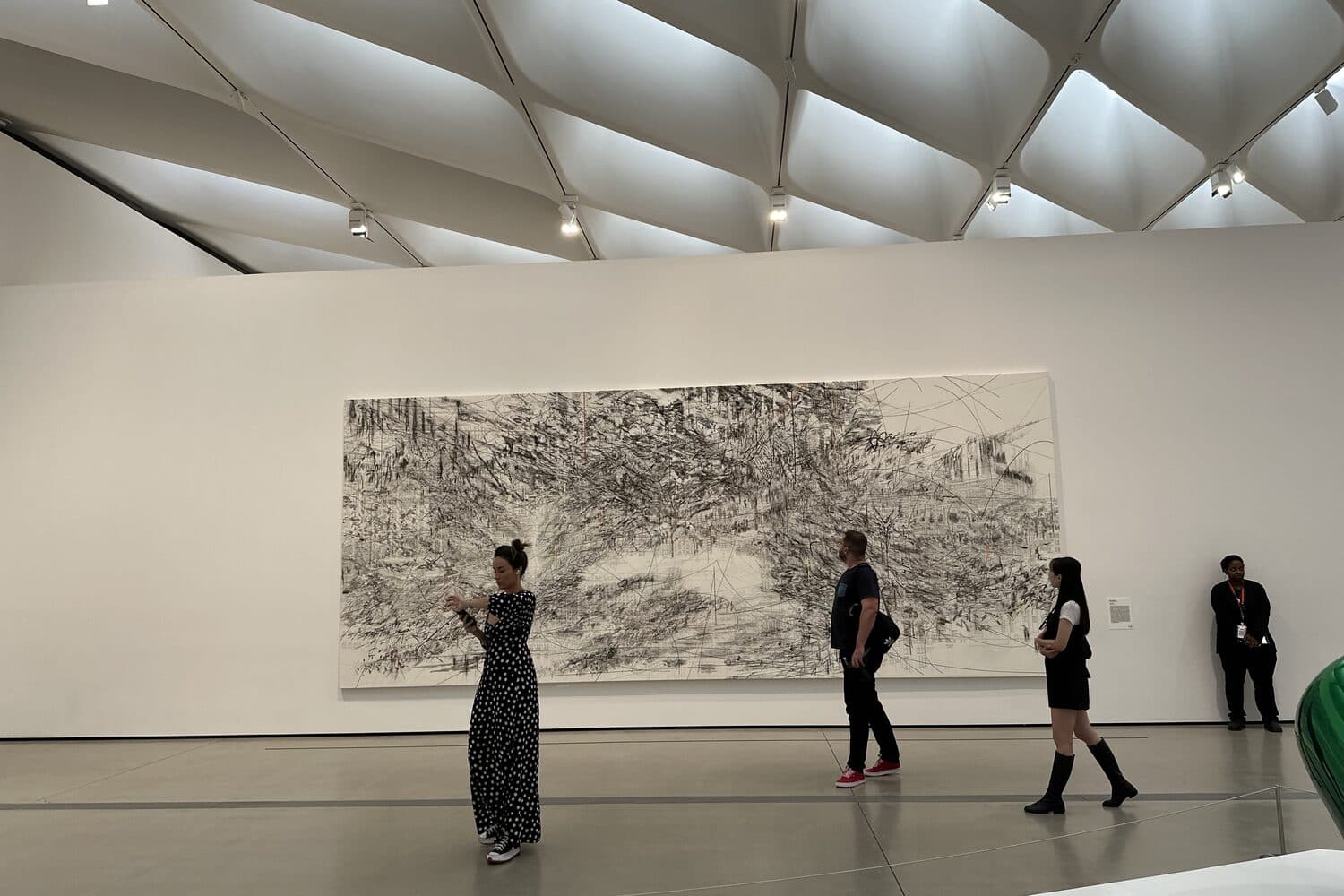
A powerful experience does not begin when the main program starts. It begins earlier — when people first hear about it, when they imagine what it might be, when they decide whether it is worth their time, and when the environment gives them a reason to keep moving forward.
This is where museums and events have more in common than we often realize.
An exhibition is not only a collection of objects. An event is not only a stage, a schedule, or a list of speakers. Both are carefully designed journeys. They shape attention, create expectations, guide movement, and leave people with something they can remember after they leave.
The Broad also reminded me that what remains unseen can be just as important as what is visible. Behind every public experience there is a hidden structure: the concept, the planning, the choices, the people, and the system that holds everything together.
That idea brought me back to WINDOW.
Before the first WINDOW exhibition existed physically, it was only a concept. Clients, sponsors, and participating companies needed to understand something they had never experienced before. There was no familiar format to point to. We needed to make the invisible visible.
Together with the architectural office of Sohrab Raafat, we created an animated concept film to give people a mental image of the experience that was about to take shape.
The film was not simply a presentation tool. It was the first doorway into WINDOW.
It helped transform an unfamiliar idea into something people could imagine, discuss, support, and eventually experience.
That is one of the most important lessons I have carried from The Broad.
Before people participate in an experience, they need to be able to imagine themselves inside it.
For brands, exhibitions, conferences, and events, this means the work begins long before the doors open. It begins with the story, the promise, the atmosphere, and the mental picture we create in the minds of the audience.
A distinctive experience is not accidental. It is designed — step by step, moment by moment, from the first impression to the final memory.
A question for anyone designing an event
What should your audience be able to imagine before they arrive?
And what can you design in advance to make that imagined experience feel real?
- Experience Design
- Events & Exhibitions
- Field Notes